
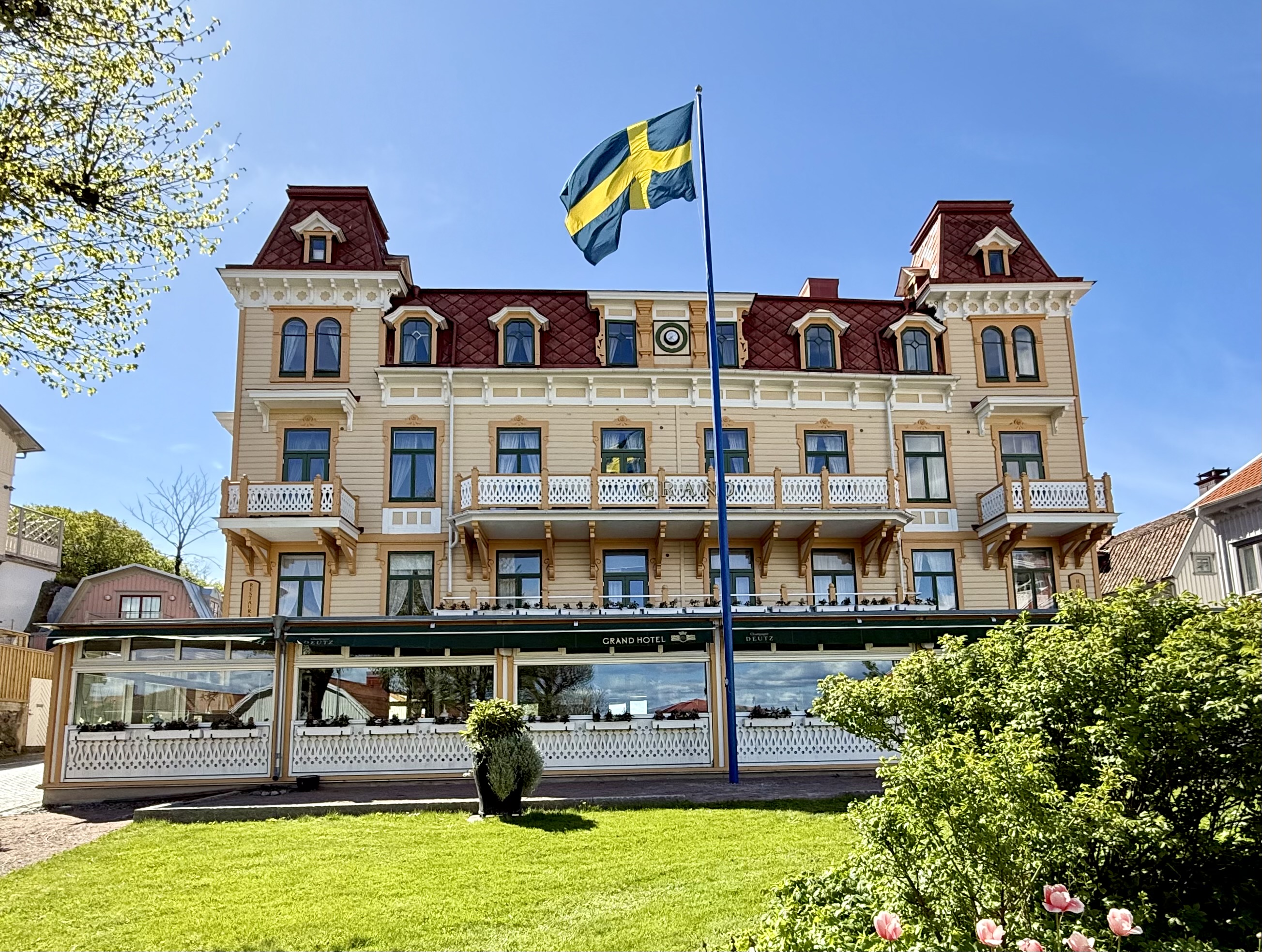
Traveling is essential to my writing process. It brings me life, energy, renewal, and inspiration. Today, it has brought me to the beautiful Scandinavian country of Sweden. After three flights totaling 15 hours, I landed sleep-deprived and determined to beat jet lag by hitting the ground running— in other words, staying awake until a reasonable local bedtime. I arrived without a single thing planned or even researched, so I asked the clerks at the car rental counter for recommendations. And that’s how I wound up at Marstrand Island, the sailing capital of Sweden.

Marstrand is unique for its ice-free bay, a quality that has contributed to its popularity and strategic importance over the centuries. The island’s reputation as an ice-free bay is more than just a geographical quirk— it’s a key reason the island has played such an important role in Swedish history.

In fact, archaeological evidence shows the island has been inhabited for over 10,000 years. While much of the country’s coastline freezes in winter, Marstrand’s harbor typically stays open year-round. This uniqueness has established it as a vital port for trade, fishing, and military defense.

The island didn’t just attract sailors and merchants— it also drew Swedish royalty, thus earning its unofficial title as a ”playground for the royals.” This began in the late 19th century when King Oscar II started spending his summers on Marstrand, drawing the elite and high society, and elevating the island’s status.
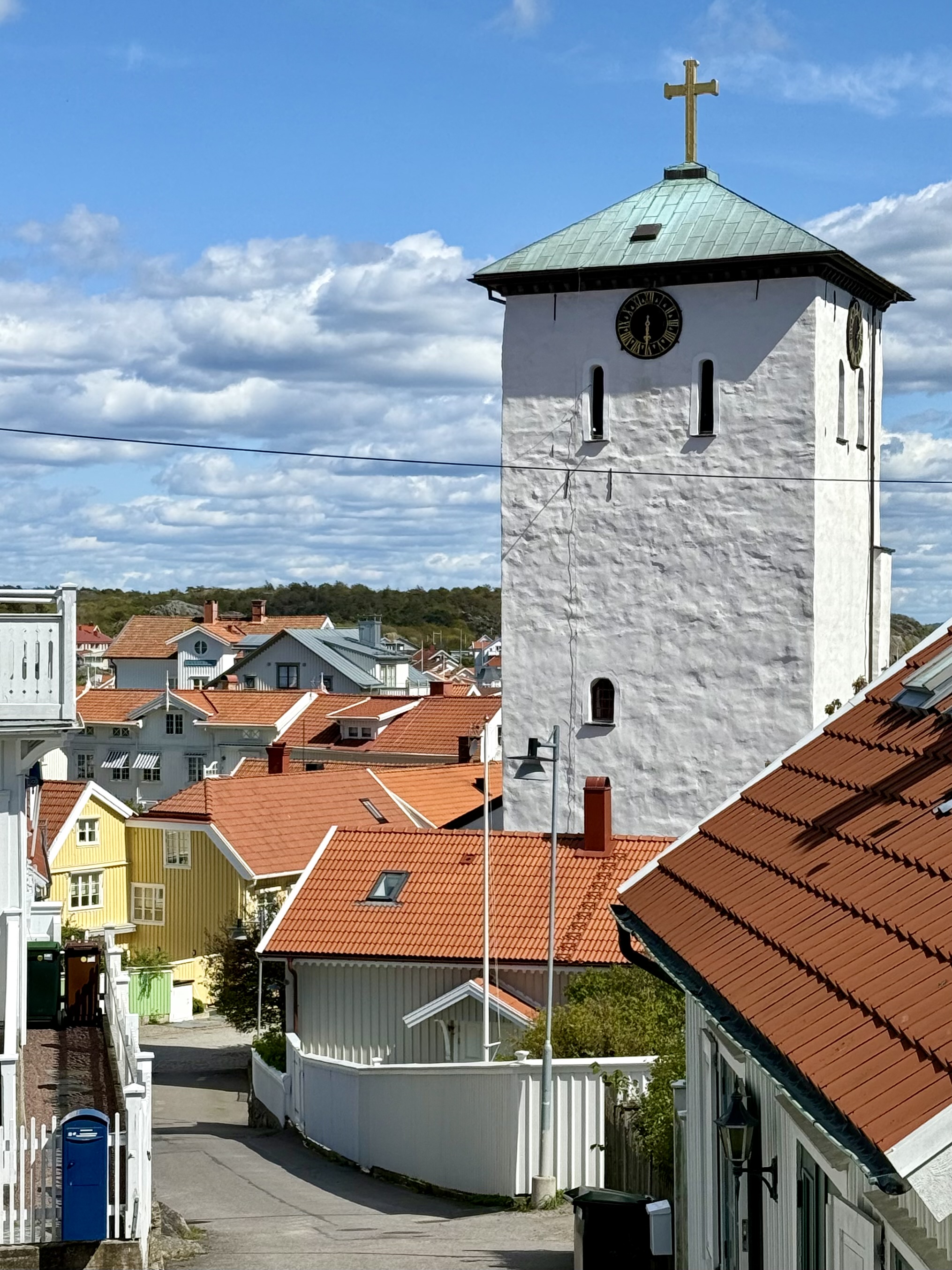
Today, the island regularly hosts international sailing events and regattas, drawing luxury yachts into its harbor and imbuing it with a glamorous, Riviera-like energy. Its elegant villas, historic fortress, and world-class sailing conditions attract celebrities, yacht owners, and high-profile visitors worldwide.

Reaching Marstrand requires a short ferry ride from the mainland. Locating the ferry dock was easy, but finding a person to buy a ticket from was not. There was a sign with a QR code, and scanning it brought me to a website to purchase tickets. The round-trip fare was under $5 USD, and I didn’t have to worry about getting back in time for the final ferry, since it runs 24 hours a day.


Stepping onto the island felt like leaping back in time. The island exuded a rustic, wind-blown storybook charm that was reminiscent of Mackinac Island, albeit far more authentic.

The island’s oldest buildings still retain their original 18th- and 19th-century styles, and the remaining have been so carefully restored that no difference can be seen.

Despite visiting during business hours on a Monday afternoon, the streets were nearly deserted, and not a single restaurant or shop was open. It turns out I’d have to go back in the summertime to enjoy those. But I didn’t mind because it added to the island’s peaceful and undisturbed atmosphere.

It was just me, the Nordic air, and the quiet hum of history as I wandered the island on foot.

Marstrand has multiple hiking trails that I loosely followed, but the signs were in Swedish, leaving me fairly clueless about the paths I was taking. I frequently left the paths as things caught my interest.

One such deviation led me to scale the island’s smooth, flat rocks. Stretching out like a natural playground, they were easy to traverse and seemed to stretch on endlessly. The views were incredible, and the site so scenic that I wished I’d packed a picnic lunch.


Psst… if you look at my sunglasses, you can spot a castle!

The coolest thing about Marstrand is that it’s home to Carlstens Fästning, a castle perched atop the island.

The fortress, a completely intact, walled, and gated castle, carried an imposing presence.


Vivid scenes of war played in my head as I walked the grounds. What would it take to breach such high, jutted walls? And how would it feel to be corralled inside, helplessly awaiting the outcome? It seemed a place of life and death, inside or out. In its later years, the fortress was used as a military prison and was considered to have the harshest labor of all Swedish prisons.
I spent roughly three hours exploring the island. Marstrand’s natural beauty, history, and atmosphere made for an immensely enjoyable afternoon.

I’d love to return when the island is livelier and enjoy the summer vibes, although there’s something special about having an island nearly all to myself. The blend of fortress walls, quaint cottages, and cobbled paths gives Marstrand a cinematic quality that will long replay in my dreams.


Leave a Reply