
Did you know there’s research and analysis behind what makes for a riveting plot, and that those principles can be applied to any story you’re writing? I’m talking, dear writers, about your story’s heartbeat.
Imagine your story as a straight line with spikes, like a heartbeat on a monitor. In this scenario, the peaks are events, and the flat line is the path in between. In a human, those spikes—aka beats—have a set interval pattern. If you go too long without one, you flat line and die. And if your heartbeat’s erratic, your body can’t function properly.
We’re talking about beat sheets. You may have heard this concept taught about in various other ways, for example, if ‘Save the Cat‘ or ‘The Hero’s Journey‘ sound familiar to you. Beat sheets are popular for good reason—they rely on research-proven components of stellar story building. They can turn any tale into a plot-forward, engaging read. They keep the story’s lifeblood flowing.

They’re also really easy to get right because there are many paths to success. But if you’re not careful, you’ll find yourself quickly overwhelmed with all the options available on the interwebz. There are an enormous number of storybeat templates out there, but they’re all selling the same thing—an engaging read. And because the things that maintain a reader’s interest varies from genre to genre, some tailoring is needed.
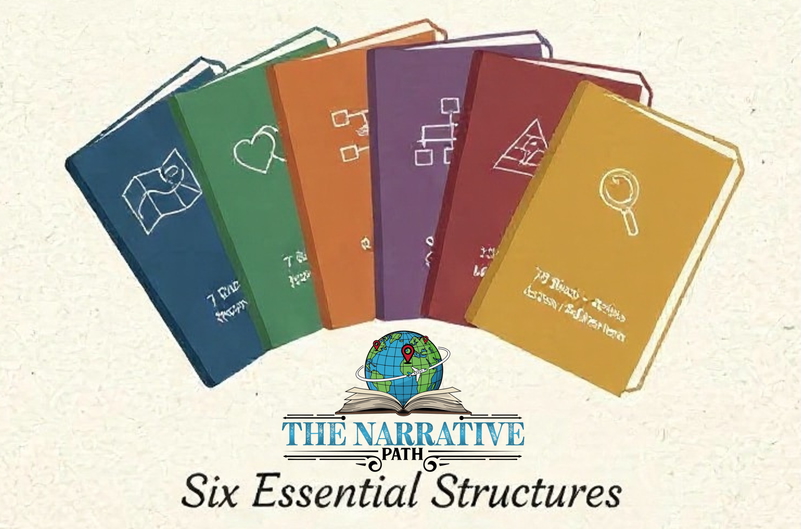
I’ve done that work for you by creating six storybeat templates that cover most fictional writing scenarios and consolidating them into a free download.
What Will you Get?
A single PDF with six templates (number of beats – genre):
- 7 Beat – General
- 7 Beat – Romance
- 8 Beat – General
- 9 Beat – General
- 10 Beat – Action/Adventure
- 10 Beat – Mystery
Each sheet includes a genre-specific template that lists the individual beats, their purpose, and the key question to answer for each.
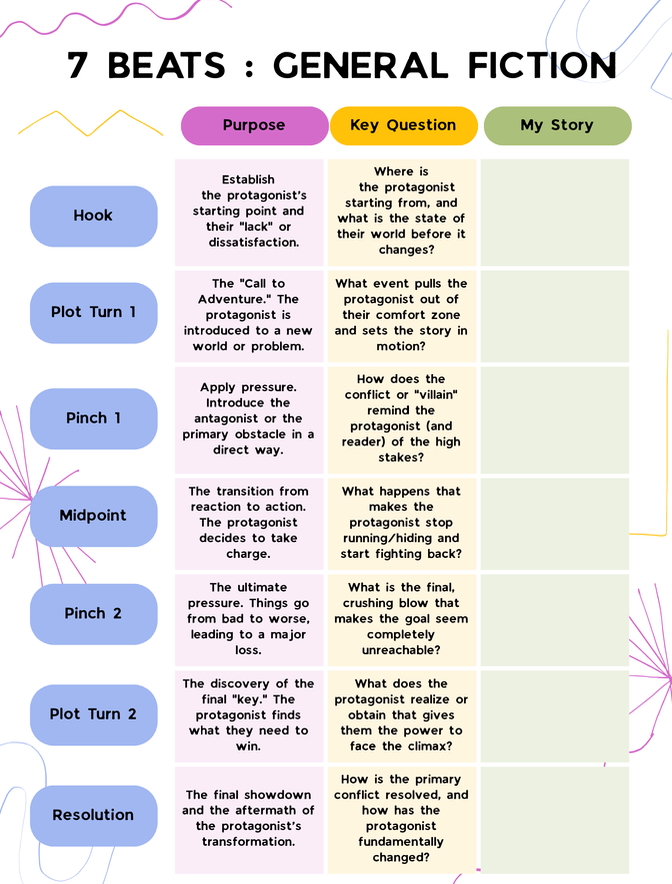
Which Template Should You Choose?
Follow your gut. Look at the sheets. Which set of questions begins to answer itself? Fill those in.
What if You Don’t Have all the Answers?
That’s completely normal. Just answer what you do know and get to writing. The rest will percolate in your mind and come to you in due time. Capture it in your sheet when it does.
The most important thing to remember is that these are all rough guides. Jumping-off points for your creativity. Don’t let them become a box. Use these beat sheets to get your story flowing, but give yourself permission to change things and go off-script.

Happy Writing,
~Brandie



Leave a Reply